
When Art Makes the Invisible Visible: Socially Engaged Practice, Pain & Emotion
Art as a Way of Making the Invisible Visible
What happens when something cannot be easily seen, measured, or explained?
This question is at the heart of my artistic practice.
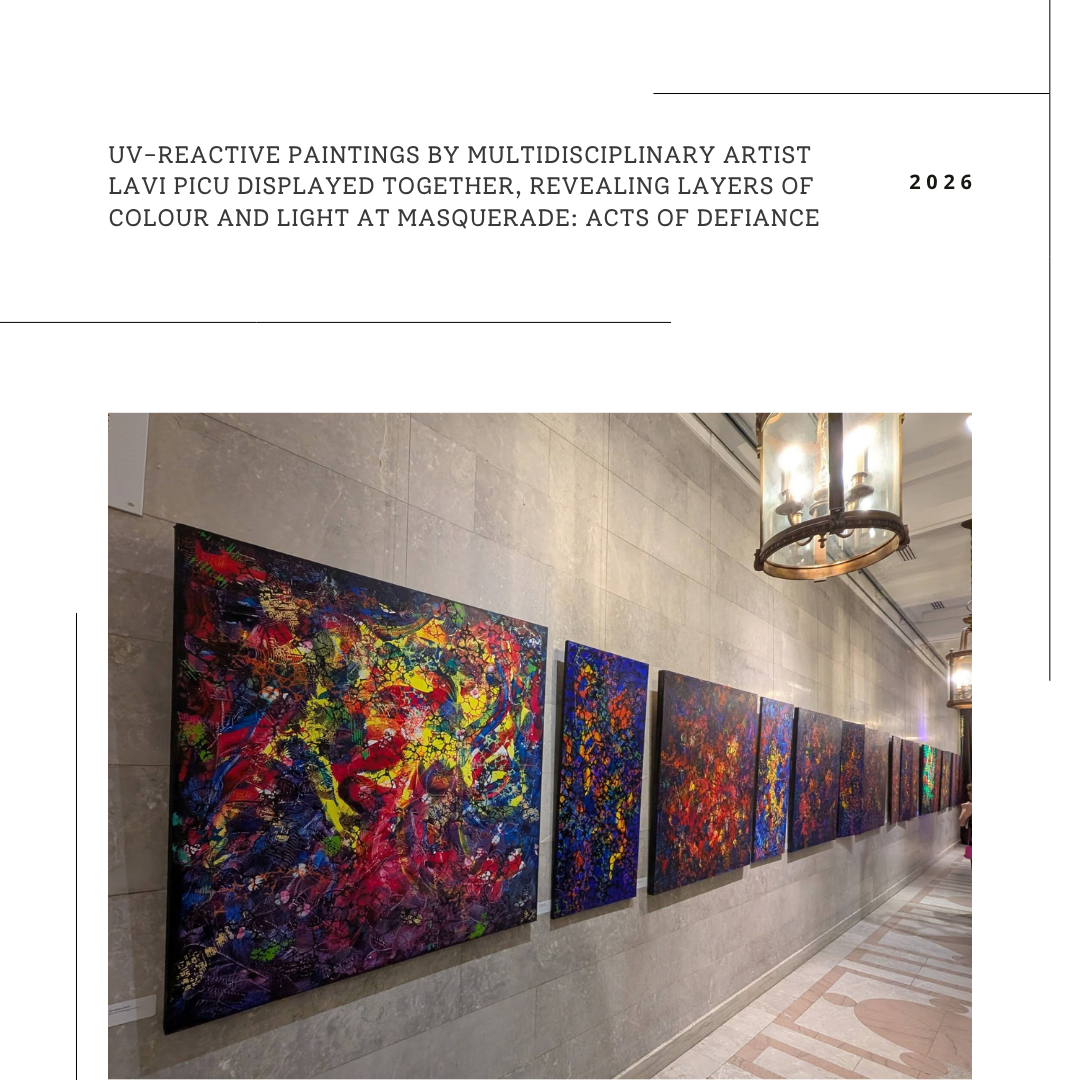
As a multidisciplinary artist, I explore the body, invisibility, perception, emotion, and the realities that exist beneath the surface. Through painting, drawing, sculpture, light, and interactive elements, I create artworks that invite viewers to look beyond what is immediately visible.
My work is increasingly connected to socially engaged practice, not necessarily because every artwork directly addresses a social issue, but because I am interested in creating opportunities for reflection, dialogue, empathy, and connection.
For me, art can become a space where invisible experiences are given a form.
Creating Art With Emotion
I am interested in art with emotion—art that can be felt before it is fully understood.
Emotion can emerge through colour, scale, repetition, tension, contrast, material, and the relationship between what is revealed and what remains hidden.
This is particularly important when working with experiences that are difficult to communicate through language.
A painting can suggest a sensation without naming it.
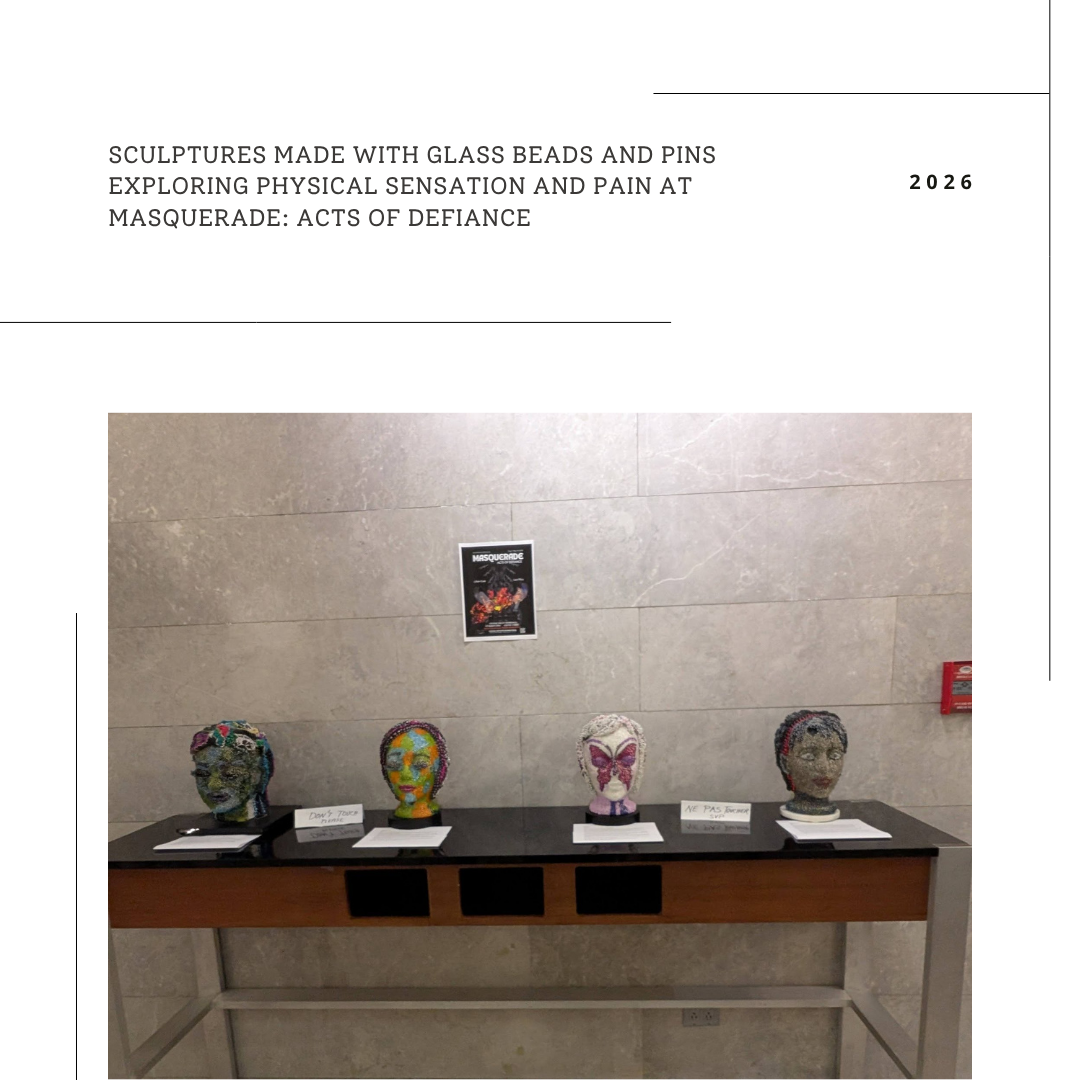
A sculpture can create a physical reaction in the viewer.
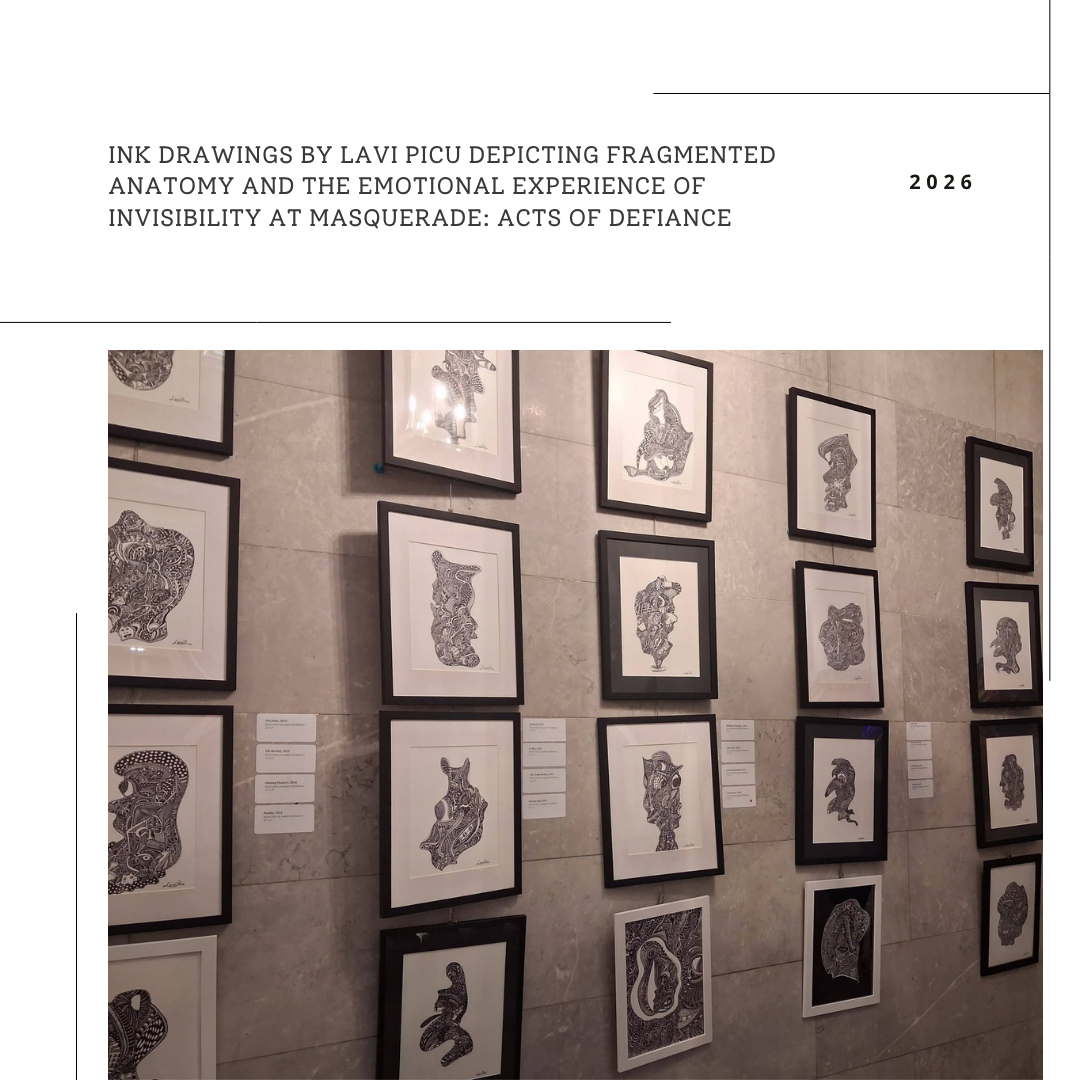
A drawing can communicate tension through nothing more than an accumulation of lines.
In these moments, the viewer brings their own experiences, memories, and emotions into the work.
The meaning is no longer entirely mine.
From Looking to Creative Engagement
There is a difference between simply looking at an artwork and actively engaging with it.
This distinction has become increasingly important in my practice.
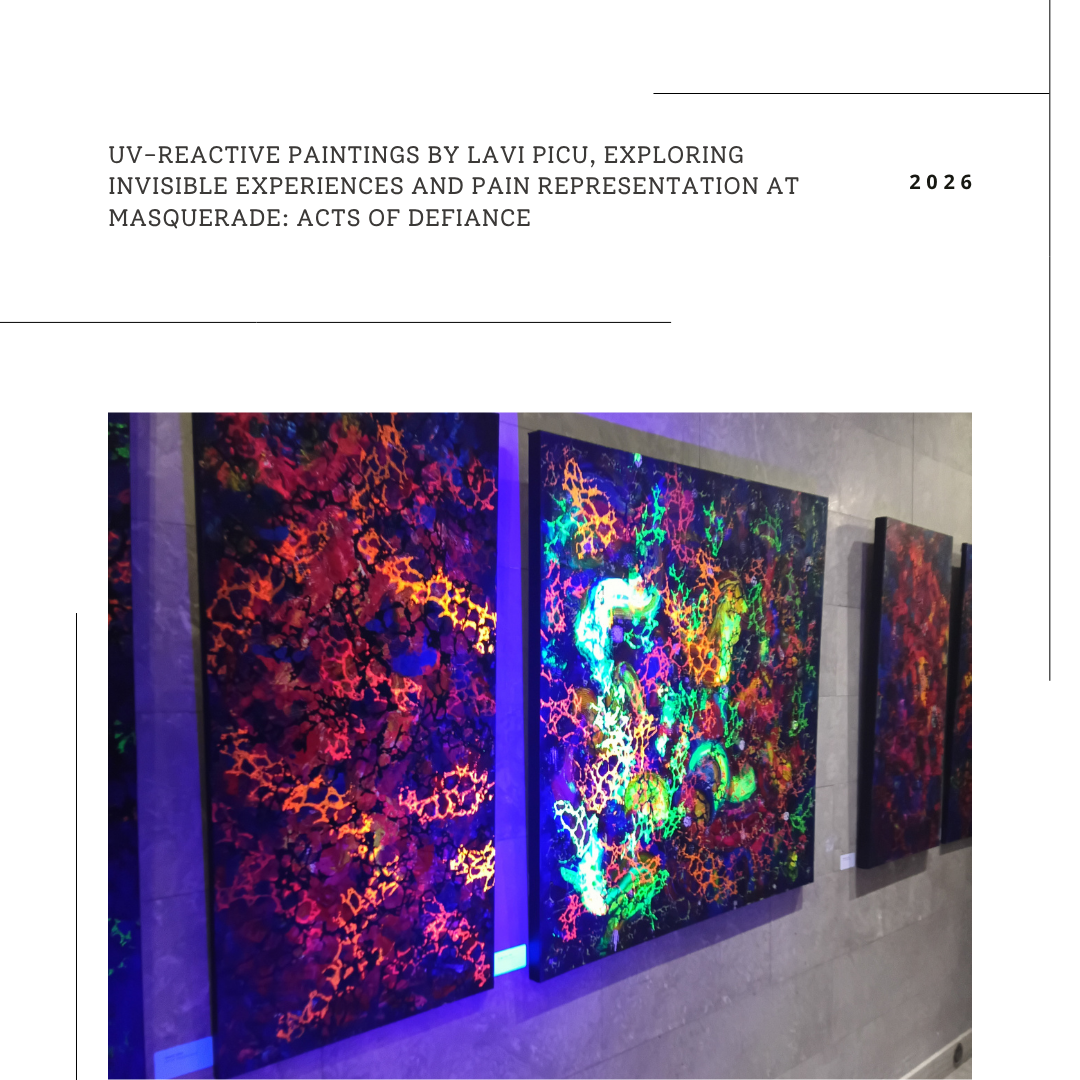
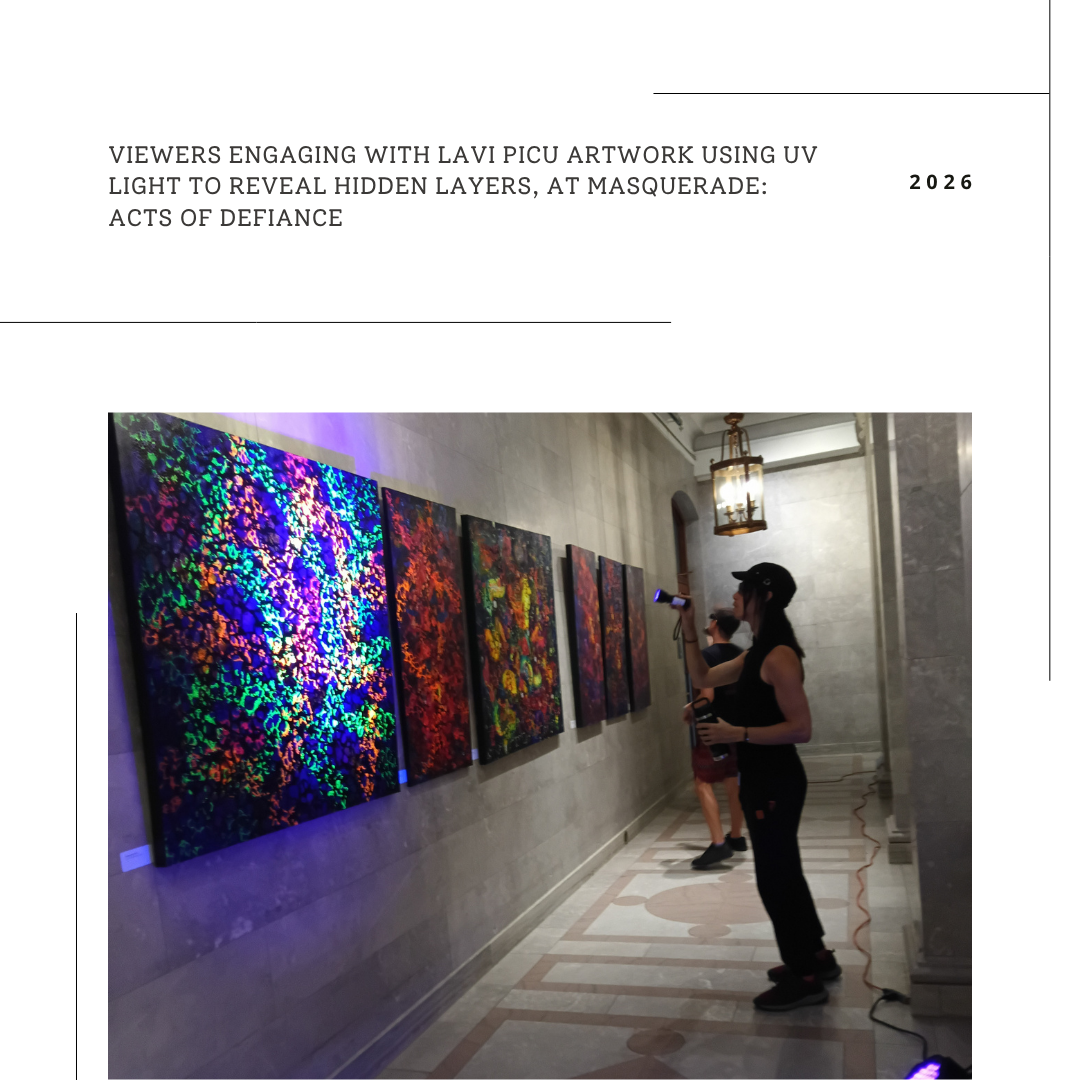
When a viewer is invited to use a UV flashlight, put on 3D glasses, move around a sculpture, or discover elements that are not immediately visible, the act of looking changes.
The viewer becomes part of the experience.
This is where creative engagement becomes essential.
Instead of receiving a single, fixed image, the viewer is encouraged to investigate. What initially appears to be the complete artwork may only be one layer of it.
The experience becomes a metaphor for perception itself.
We make assumptions based on what is immediately visible. We interpret bodies, behaviours, environments, and people according to what we believe we understand.
But there is always more beneath the surface.
Art can slow that process down.
It can ask us to look again.
Liminal Artworks: Between Visibility and Invisibility
Many of my works exist between opposing states: visible and invisible, beauty and discomfort, attraction and repulsion, fragility and resilience.
I am drawn to this space because the body itself can become liminal.
It can be simultaneously strong and vulnerable.
Present and misunderstood.
Visible and unseen.
This is one of the reasons I think of some of my works as liminal artworks. They inhabit an in-between space, where meaning is not fixed and where the viewer may experience uncertainty.
A body can appear completely ordinary while carrying an experience that nobody else can see.
An artwork can appear static while changing dramatically under UV light.
A familiar form can become strange when viewed from another perspective.
I am interested in these transitions because they challenge the idea that what we see is necessarily the whole truth.
Socially Engaged Practice and the Question of Visibility
For me, socially engaged practice can begin with something as simple as a question.
What do we fail to see?
Who do we believe?
What happens when someone's experience cannot be visually proven?
How much of another person's reality do we actually perceive?
My work explores these questions through the language of art rather than through direct answers.
I am interested in creating spaces where viewers can reconsider assumptions about visibility, bodies, pain, perception, and the experiences of others.
The artwork becomes a meeting point between my experience and theirs.
I do not expect every viewer to interpret my work in the same way. In fact, I welcome different interpretations.
What matters to me is that something happens between the artwork and the person looking at it.
A question.
A reaction.
A memory.
A conversation.
Perhaps even a moment of recognition.
WhenPersonal Experience Becomes a Shared Experience
Although my work often begins with personal experience, I don't see the artwork as belonging exclusively to my story.
Once it enters the world, the viewer brings their own experience to it.
This is where art can move beyond autobiography.
A sensation that begins as something deeply personal can become a shared emotional language.
Pain can become texture.
Invisibility can become light.
Fragmentation can become form.
Emotion can become colour.
And a personal experience can become an invitation for someone else to look, feel, question, and connect.
Making Space for What Cannot Be Seen
Ultimately, my work is not an attempt to provide a definitive image of pain, illness, invisibility, or emotion.
It is an attempt to create a visual language for experiences that are often difficult to communicate.
Through material, light, fragmentation, repetition, and interaction, I make space for what exists beneath the surface.
Because sometimes the most important things are precisely the things we cannot see.
And sometimes art can give them a form.